
Sea freight support for structured international supply chains
Sea freight is positioned around practical B2B buying criteria: planning stability, documentation control and synchronized customs and inland movements.
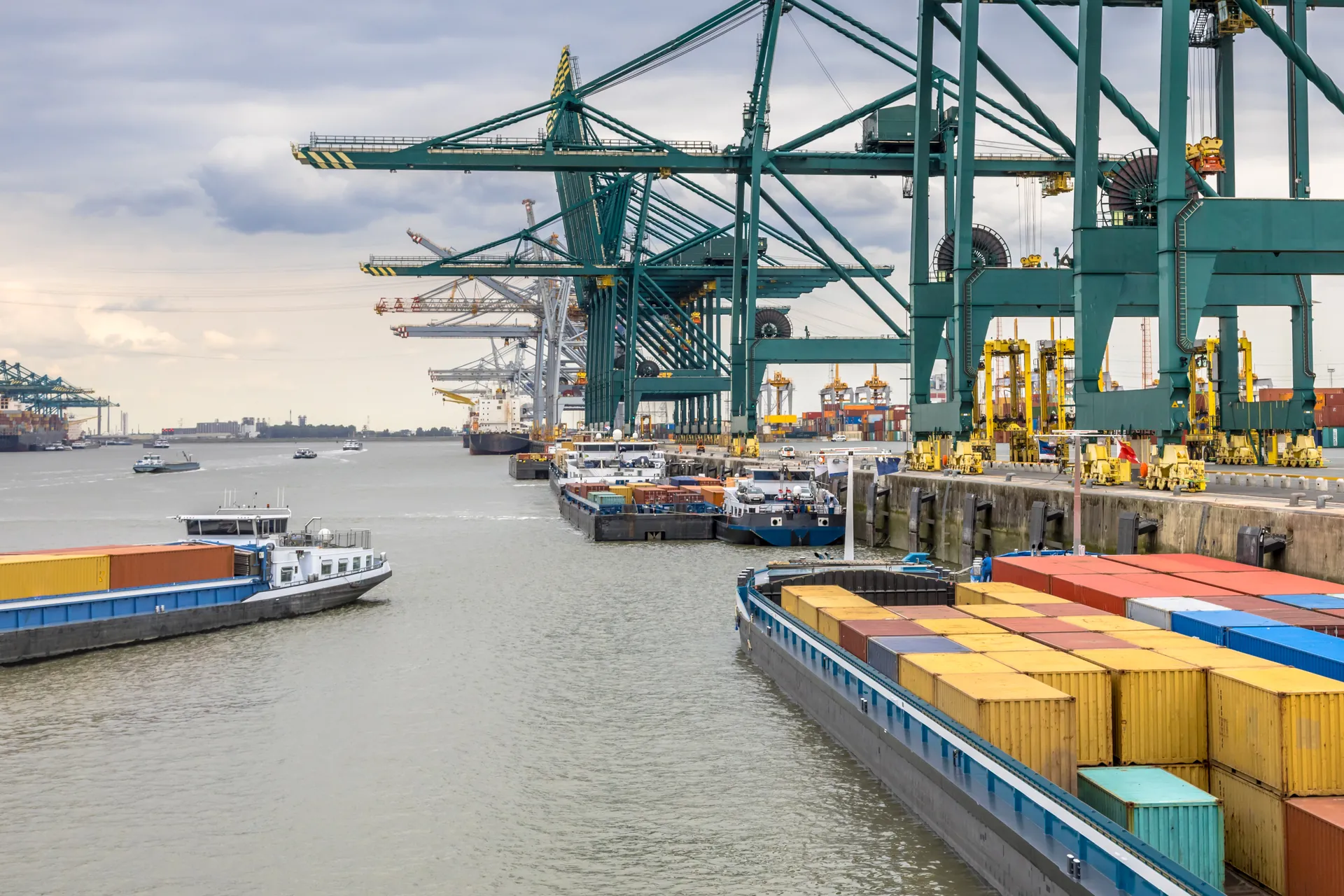
Sea Freight
Containerized planning clarity
The page speaks directly to companies managing repeatable ocean shipments and multimodal dependencies.
Port-to-inland thinking
Sea freight is presented as part of a larger chain, not as an isolated transport booking.
Scalable SEO intent
The structure leaves room to add future depth pages around FCL, LCL, import and export topics.
Direct operational communication
Go Forte combines customs execution, forwarding coordination and warehousing support in one bilingual operating model.
Cargo and route scoping
We confirm shipment type, route structure, lead-time expectations and risk points.
Documentation and movement planning
The transport workflow is coordinated with customs and warehouse implications where relevant.
Arrival and release readiness
The page leads naturally into customs, warehousing and inland transport next steps.
Sea Freight
Why is sea freight separated from other transport pages?
Because sea freight buyers have distinct questions and search intent, and dedicated pages improve both SEO relevance and conversion clarity.
Can this section grow into deeper content later?
Yes. The structure supports future case studies, lane-specific pages and richer operational insights.
Plan your sea freight requirement
Start with the cargo flow, expected volume and origin-destination details to move into a relevant discussion.